

Essential Tips, Best Spots, and Local Regulations about Fishing in Side
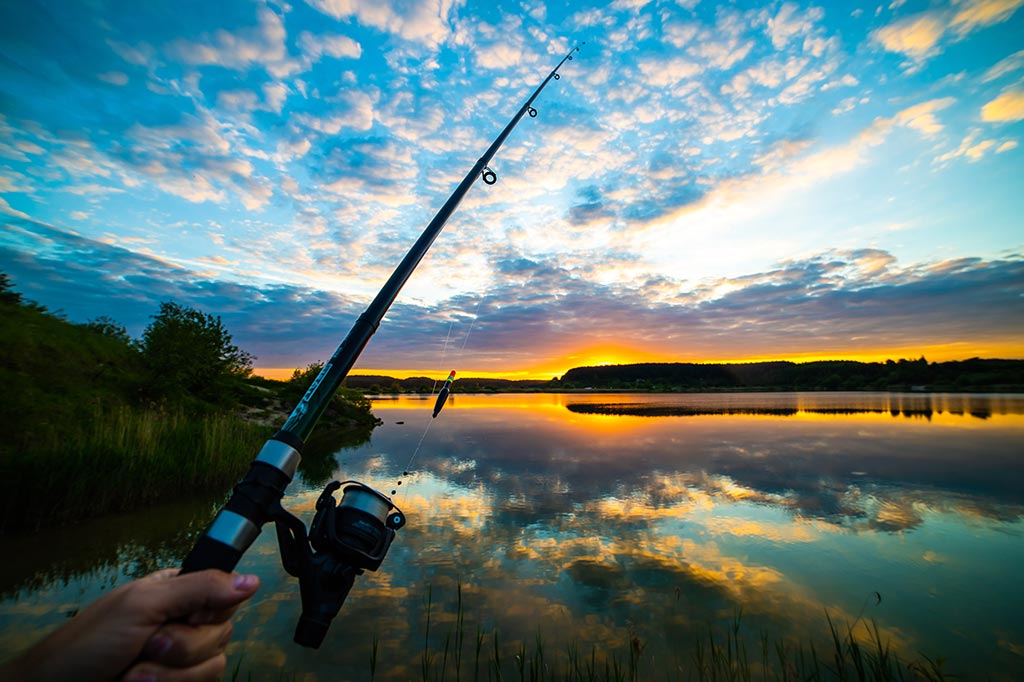
You can find excellent shore and sea fishing options around Side, from the Manavgat River and nearby trout farms to full-day sea trips and deep‑sea charters that target both inshore species and larger pelagics. Plan your trip around the kind of catch you want, whether you prefer a calm morning on the river or a guided open‑sea charter with experienced crew and all equipment provided.
Expect clear guidance later in the article on the best spots, typical species, local regulations and permits, seasonal timing, family‑friendly options, and recommended gear so you can pick the right trip quickly. If you want tips on booking charters, fishing techniques, or where to eat fresh local seafood after your catch, this piece will point you straight to what matters.
Best Locations for Angling
You’ll find productive shorelines, calm river stretches, and quieter neighborhood spots that consistently hold fish and offer different techniques. Tides, structure, and easy access determine where you should fish and what gear to bring.
Popular Coastal Spots
Head to the long sandy beach west of Side Harbor for surf fishing targeting gilt-head bream (sarıkanat) and sea bass. Fish early morning or near dusk when tides change; use 2–3 m leaders, 40–60 g sinkers, and natural baits like mullet or squid.
The small rocky headland near the Roman ruins concentrates baitfish and attracts larger predators. Cast parallel to the rocks and try floating or slow-sinking lures in 10–30 m casts. Expect snags; bring a wire trace for toothy species.
If you launch by boat, try the 5–20 m shelf north of the harbor for amberjack and groupers around submerged reef structures. Use heavier tackle (20–40 kg class) and strong hooks. Check local regulations for size and seasonal closures before fishing.
River Fishing Areas
The Köprüçay River mouth holds mullet, sea bass, and occasional trout where freshwater meets the sea. Fish the estuary channel edges with small weights and live bait; clubs of mullet indicate active feeding zones.
Upstream, calmer pools behind riffles produce brown trout in cooler months. Use light spinning rods and small spoons or flies in shallow faster seams. Wading is possible in low water; wear non-slip boots and watch for swift currents after rain.
Near the irrigation channels east of town, you’ll find carp and black bass in slower, vegetated stretches. Fish the margins with float rigs or soft plastics, and focus early morning when fish move into shallow cover to feed.
Hidden Local Gems
A narrow jetty accessed from Atatürk Park offers concentrated bites for night anglers using cut bait and glow rigs. The jetty’s depth change attracts sea bass and cuttlefish; bring a headlamp and pack spare sinkers for strong currents.
Small rock pools inside the harbor breakwater provide consistent catches of gobies, small wrasse, and juvenile species—ideal for light tackle and kids. Use small hooks (size 6–10) and fresh shrimp for quick action.
Talk to anglers at the weekly fish market to learn temporary hotspots after storms or unusual tidal runs. Locals often point to isolated coves where bait accumulates and predators follow; these tips can save you hours of searching.
Types of Fish Found Off the Coast
You’ll encounter a mix of schooling forage fish, medium-sized predators, and occasional trophy species when fishing off Side. Expect seasonal shifts in abundance, a handful of species tied to local rocky and reef habitats, and rare catches that draw interest from sport anglers.
Seasonal Species
In spring and early summer, you’ll find large schools of sardines and anchovies close to the surface; these forage fish attract predatory species and make July–September prime months for surface action. From May through October, bonito and small yellowfin tuna appear farther offshore; you can catch them by trolling with small lures or chunk bait.
Clearing water in late summer brings greater numbers of mackerel and bluefish near the shoreline, often during early morning or late afternoon feeding windows. Winter months tend to concentrate groupers and gilt-head bream (sea bream) around deeper reefs and wrecks, where you’ll use heavier tackle and bottom rigs.
Endemic Fish Varieties
Several species show strong local residency around Side’s rocky headlands and submerged reefs. You’ll commonly encounter Mediterranean damselfish and wrasse species that shelter in cavities and feed on crustaceans; light jigging or small hooks with shrimp work well for these targets.
Gilt-head bream (Sparus aurata) has a significant local population; you’ll find them on sandy bottoms adjacent to seagrass beds and near artificial reefs. Local anglers also report frequent catches of scorpionfish and two-banded seabream in depths of 5–30 meters, where baited rigs and bottom fishing produce steady results.
Rare Local Catches
Occasional sightings of larger pelagics like amberjack and greater tuna happen during offshore thermocline shifts; you’ll need stout tackle and live bait to reliably hook these species. Swordfish and big bluefin remain rare but possible on night or deep-trawl trips; landings require experienced crew and specialized gear.
You may also encounter unusual single specimens such as Mediterranean spearfish or large grouper roaming from deeper canyons. When you catch these rarities, follow local regulations and handling recommendations to ensure legal compliance and safe release when required.
Guided Tours and Charter Services
You’ll find a range of professionally run trips in Side that include transfers, gear, and local expertise. Trips run half-day to full-day, and you can expect guidance tailored to your experience level and the season.
Selecting a Professional Guide
Choose a guide with local knowledge of Side’s reefs, Manavgat River mouth, and seasonal fish movements. Look for captains who provide written details: boat length, capacity, included equipment, safety gear, and whether they use GPS/sonar to locate fish.
Check recent guest reviews and ask for certifications (boat license, first aid, insurance). Confirm what’s included in the price—hotel pickup, tackle, bait, light breakfast, and travel insurance commonly appear in listings.
If you have special needs—children, mobility limits, or targeting a specific species—tell the operator before booking so they can match vessel type and crew experience to your plans.
Group Versus Private Excursions
Group trips typically run 4–5 hours, capped around 8–10 passengers on medium boats or up to 10 on specialized fishing vessels. They cost less per person and offer a social atmosphere, but you’ll share rod time and catch space.
Private charters give you full control: departure time, fishing technique (trolling, bottom fishing), and target species. They work best if you’re fishing for trophies, have a tight schedule, or want instruction focused solely on your party.
Compare pricing by what’s included rather than headline cost. If you value instruction, confirm the captain-to-guest ratio; one experienced captain can effectively teach a small private party but may be stretched on crowded group trips.
What to Expect on Organized Trips
Expect a typical schedule: hotel pickup around 07:30 for half-day trips, short briefing, safety demonstration, and then 3–5 hours on the water. Boats usually carry rods, reels, bait, life jackets, and basic first aid.
Guides will help set lines, read fish activity with GPS/sonar, and advise on technique. You’ll often receive a light breakfast and bottled water; some operators let you keep your catch or clean and pack it for you.
Bring sun protection, motion-sickness medication if needed, and any personal tackle you prefer. Confirm landing facilities and return time so you can plan transport or onward activities.
Comments are off for this post.